What is NEM 3.0 (Net Billing), and how does it affect solar customers in California?
California replaced traditional Net Energy Metering (NEM 2.0) with the new Net Billing Tariff, commonly called NEM 3.0. Under NEM 3.0, electricity exported to the grid is compensated at lower “avoided cost” rates instead of full retail utility rates. This makes battery storage much more valuable because storing and using your own solar energy is now more economical than exporting it.
Is solar still worth it in California under NEM 3.0?
Yes, specifically when residential solar is paired with battery storage. Although exported energy compensation is lower than before, increasing utility rates still make solar more appealing than not. Most residential and commercial systems save money by reducing expensive utility consumption during peak periods.
Should I install battery storage with my solar energy system?
Yes, it is highly beneficial to install battery storage if you are installing or have existing solar energy panels. Battery storage helps solar customers save energy produced during the day, allows for solar usage during peak hours, reduces reliance upon grid energy, and provides backup energy during outages.
Is commercial solar as beneficial as residential?
Commercial properties often benefit more than residential because these buildings use electricity during daytime hours when production is at its highest. Many commercial solar installations also lower operation expenses for businesses and improve utility costs predictability while working towards sustainability.
What happens during a power outage if I have solar?
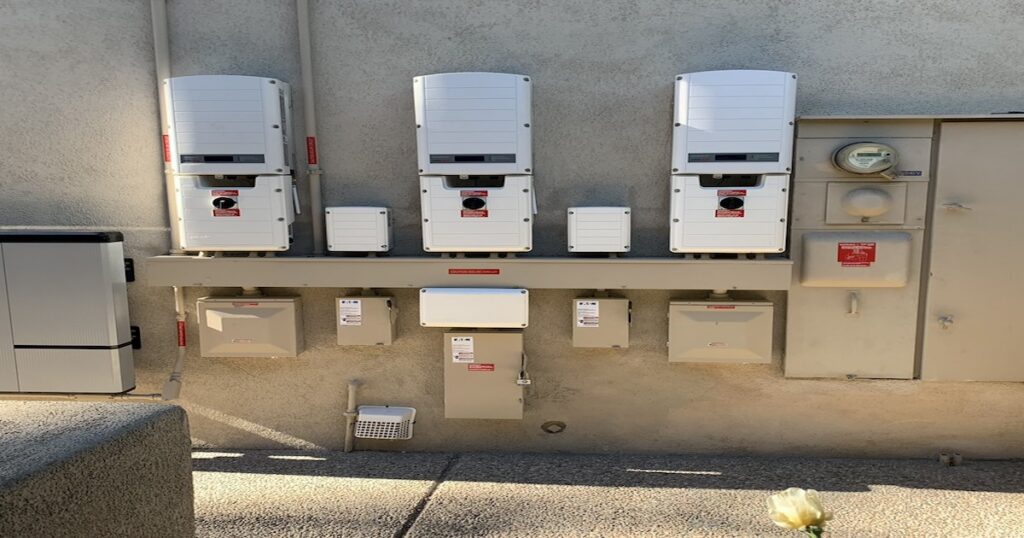
Standard grid-tied solar systems automatically shut off during outages for utility worker safety. The biggest difference in outages is made when you have a battery storage system and backup-capable inverter equipment. If your system includes battery backups, you can typically run critical home essential and medical equipment while the grid is down.
What are the biggest mistakes people make when buying solar?
Common mistakes include:
- Choosing solely based on lowest price
- Ignoring battery storage options
- Oversizing or under sizing the system
- Not reviewing financing terms carefully
- Trusting misleading “free solar” claims
- Failing to verify installer licensing and warranties